


|
Getting your Trinity Audio player ready...
|
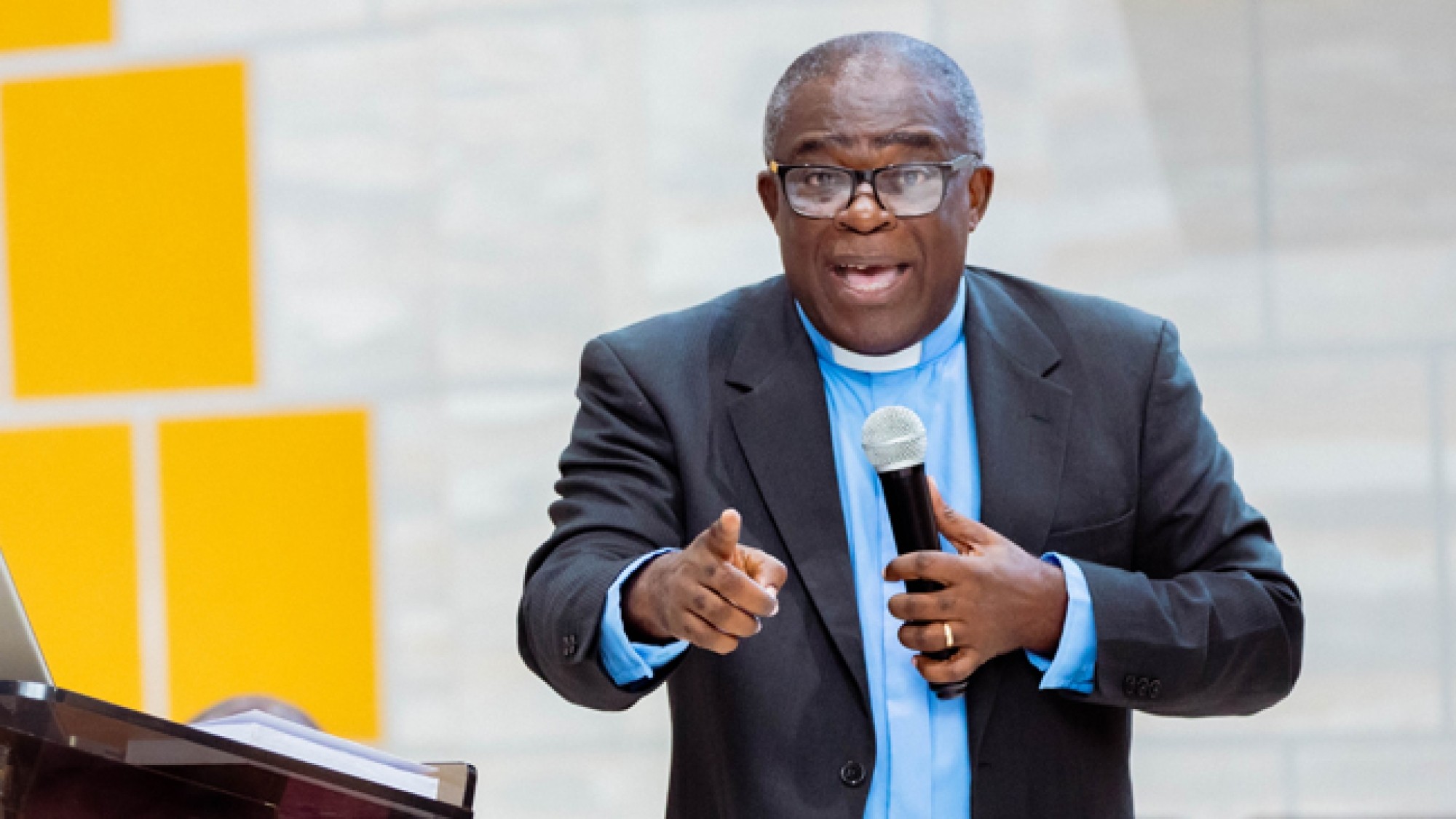
A Senior Lecturer at the Department of Religion and Human Development at the Kwame Nkrumah University of Science and Technology (KNUST), Rev. Dr Kwabena Opuni-Frimpong, has called for the integration of indigenous knowledge systems, civic values and character education into the national curriculum to strengthen the identity and moral development of African children.
He said educational systems across the continent must go beyond preparing students for careers and place greater emphasis on values, ethics and responsible citizenship.
“Our educational systems must build values and character, and not just careers,” he said.
Rev. Dr Opuni-Frimpong made the call while delivering a paper on the topic, “African Family and Cultural Value Systems in Contemporary Times: Dynamics, Pressures and Resilience Ethics”, at the Fourth African Inter-Parliamentary Conference on Family Values and Sovereignty held in Accra.
The conference that brought together parliamentarians, faith leaders, academics and policy advocates from across Africa from June 3-6, discussed issues affecting family systems, cultural identity and national sovereignty.
Indigenous knowledge
The former General Secretary of the Christian Council of Ghana said African indigenous knowledge systems contained significant intellectual resources that could enrich educational programmes at all levels.
He observed that early Western anthropologists and missionaries often described African cultures in derogatory terms, including heathen, barbaric and superstitious, a situation he said contributed to the neglect of indigenous knowledge in formal education.
Rev. Dr Opuni-Frimpong said Ministries of Education across Africa should intentionally incorporate indigenous knowledge systems, modesty, civic honour and relational ethics into educational policies and curricula.
According to him, such an approach would help preserve cultural identity while equipping learners with the skills needed to succeed in a rapidly changing world.
Digital age
Addressing concerns that an emphasis on cultural values could conflict with individual freedoms and modern technological trends, he said African societies should embrace technology without sacrificing their identity.
“We do not fear the digital landscape; we want our young people to master it without losing their identity,” he said.
He warned that excessive dependence on digital devices and foreign media could weaken the traditional structures that nurture character and social responsibility.
“We need to avoid outsourcing the moral upbringing of the next generation to smartphones and unmonitored foreign media. A digital device cannot and must not raise an African child,” he said.
He added that young people should remain connected to the community structures that preserve human dignity and promote social cohesion.
Moral development
Rev. Dr Opuni-Frimpong also called for greater attention to moral development in national planning, arguing that education and economic growth alone were insufficient to guarantee sustainable development.
He said the tendency to focus largely on infrastructure and economic indicators often overlooks the importance of ethical and moral values in nation-building.
“Education without moral and spiritual values anywhere produces intelligent criminals,” he stated.
The lecturer urged policymakers to ensure that children were taught respect for elders, community solidarity and the importance of family life as part of their development.
He further advocated the inclusion of family preservation and moral development in national development planning, describing them as essential components of a resilient society.